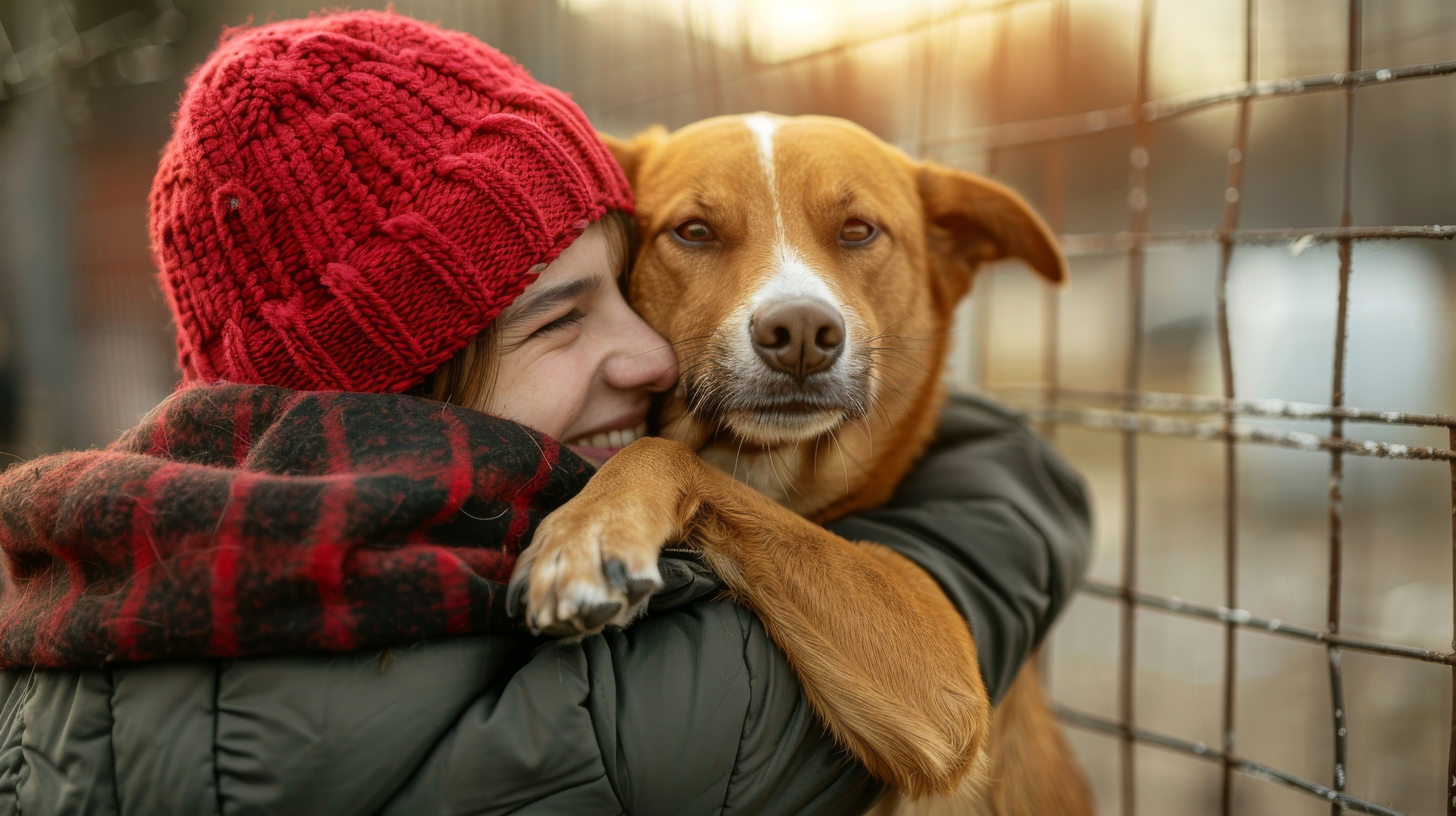
Animal-assisted social work is a growing therapeutic approach that integrates trained animals — often dogs — into the counseling process. For many clients, connecting with a therapy animal creates a sense of comfort, grounding, and emotional safety that deepens the therapeutic experience.
In my practice, my dogs Bexley and Finley often join sessions as co-therapists, offering gentle support and helping clients feel more at ease.
What Is Animal-Assisted Social Work?
Animal-assisted social work is the intentional use of animals to support therapeutic goals. It's not simply having a pet in the room — it is a structured, evidence-informed practice where the presence, behavior, and relationship with the animal contribute to emotional regulation, connection, and healing.
Research continues to show that interacting with animals can lower stress hormones, reduce symptoms of anxiety and depression, and increase feelings of connection and safety. Therapy animals often help clients access emotions, build trust more easily, and feel grounded during difficult conversations.
Why Animals Make a Difference
Animals bring qualities to therapy that humans sometimes struggle to offer consistently. They are:
- Nonjudgmental — a dog doesn't evaluate, critique, or form opinions about you
- Present in the moment — animals don't carry worry about the past or future
- Emotionally intuitive — many dogs sense distress and respond with gentle attention
- Comforting through physical presence — the simple act of touch can regulate the nervous system
For clients who have experienced trauma, grief, or chronic stress, these qualities can create a powerful sense of safety and attunement. A therapy dog lying nearby, offering a gentle nudge, or simply breathing calmly can help a client regulate their nervous system and feel supported during vulnerable moments.
How Animal-Assisted Therapy Supports Trauma Work
Trauma often affects the parts of the brain responsible for safety, trust, and connection. Therapy animals can help rebuild these pathways by offering:
- Co-regulation — the animal's calm presence helps the client's body settle
- Grounding — touch or sight of the dog anchors clients in the present moment
- Attachment repair — consistent, gentle connection supports relational healing
- Stress reduction — research shows lower cortisol and heart rate during animal interaction
For some clients, interacting with a dog feels safer than interacting directly with a therapist at first. The dog becomes a bridge to forming trust in the therapeutic relationship — a gentler on-ramp to the deeper work.
Who Benefits from Animal-Assisted Therapy?
Many clients find comfort and support in working with a therapy animal, including those navigating:
- Trauma and PTSD
- Grief and loss
- Anxiety or depression
- ADHD and OCD
- Life transitions
- Relationship stress and attachment difficulties
- Neurodivergence
Clients who feel overwhelmed by direct face-to-face processing sometimes find it easier to engage while petting a dog or sharing space with a calm animal companion. The dog lowers the emotional temperature of the room.
What Sessions Look Like
Animal-assisted sessions are always tailored to the client's comfort level. For some, Bexley or Finley may sit quietly nearby. For others, gentle touch, grounding exercises, or structured interactions with the dogs may be part of the session.
Participation is always optional. If someone prefers a session without the dogs — whether due to allergies, fear, or simply personal preference — that is completely respected and accommodated.
My Training and Credentials
I hold an Animal Assisted Social Work Certificate from the University of Denver's Graduate School of Social Work. This training goes beyond simply bringing a pet to work — it covers the ethics, assessment, evidence base, and clinical application of animal-assisted interventions within a social work framework.
A Supportive, Grounded Presence
At its core, animal-assisted social work is about connection — connection with yourself, with your emotions, and with the therapeutic process. For many clients, animals gently open the door to that connection, providing warmth, grounding, and emotional support along the way.
If you're curious about incorporating animal-assisted therapy into your healing process, I'm happy to answer any questions about how it works and what to expect.